
No. 07
Coins & Currency
in Pompano Beach
Early US, gold, and world coins.
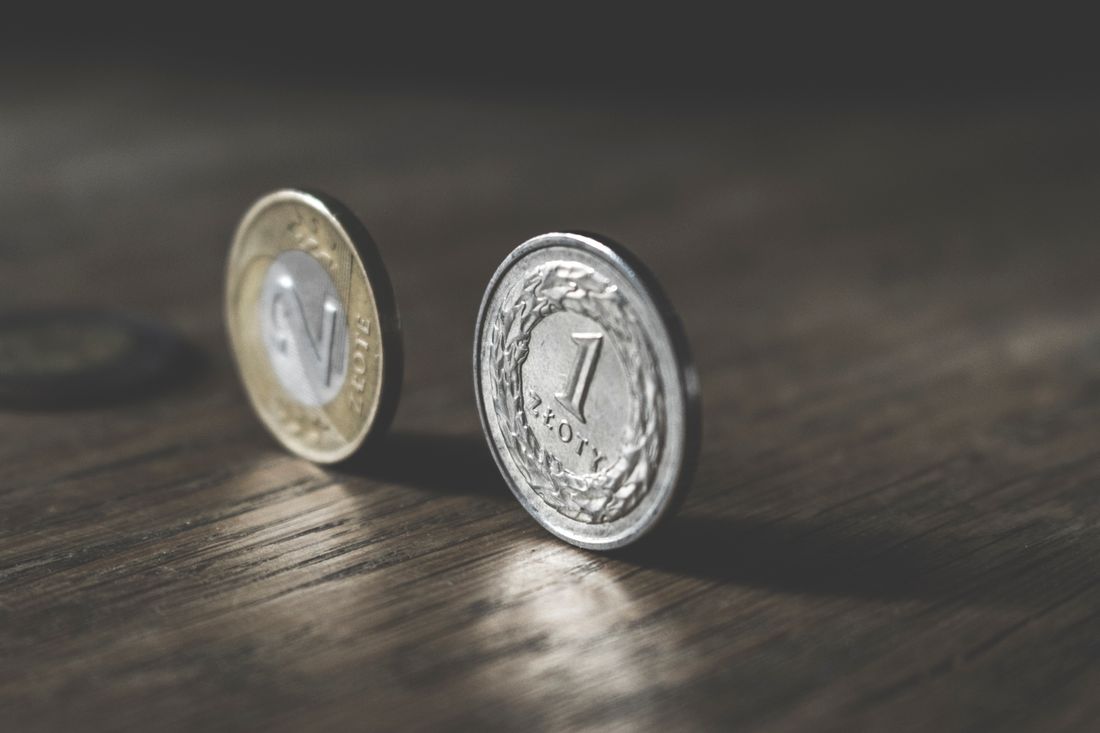
A Broward estate can hold anything from a jar of pre-1965 dimes to a sea-crusted Spanish cob bought on the Treasure Coast decades ago, plus a folder of old silver certificates. Atlantic Premier Estate Buy in Pompano Beach sorts each piece by what it is made of, how it was made and what collectors pay. You get a straight answer that separates metal value from collector value, with no cleaning and no obligation.
What we look for
- Early US type coins and key dates
- Morgan and Peace silver dollars
- US gold eagles and world gold
- Graded (slabbed) coins and full collections
Shipwreck cobs from the 1715 and 1733 fleets
Spanish colonial silver was struck fast. Mint workers cut a lump from a silver bar, trimmed it to weight and hammered it between hand-cut dies. Collectors call the result a "cob," usually traced to cabo de barra, "end of the bar." Cobs are irregular, often clipped, and rarely show the whole design or the date. Specialists therefore read the mint mark and the assayer's initial, which on typical examples sit to the left of the shield, with the denomination to the right. Sewall Menzel's 2004 reference Cobs, Pieces of Eight and Treasure Coins is the standard guide to assayer tenures.
Two hurricanes supplied much of Florida's salvaged silver. On July 31, 1715, a storm wrecked a Spanish convoy bound for Spain off the Atlantic coast. Its debris field runs along today's Treasure Coast, from about Melbourne to Fort Pierce, roughly 100 miles north of Pompano Beach. Modern salvage began in the late 1950s, after local resident Kip Wagner found a piece of eight on the beach following a storm. In 2025 the salvage firm Queens Jewels, LLC reported more than 1,000 silver reales and five gold escudos from the site, valued near $1 million. The 1733 fleet left Havana in July 1733, 21 ships by the Florida State Parks count, and met a hurricane in the Keys. The flagship El Rubí and the almirante El Infante grounded off Upper Matecumbe Key near Islamorada. Artifact removal from those sites is now prohibited, so a "1733" coin offered today needs paperwork showing when and how it left the water.
When we examine a claimed shipwreck coin, we check three things:
- Paperwork: a salvor's certificate, an auction invoice or a dated family receipt. Florida law generally entitles the state to roughly 20 percent of material recovered from state waters, so legitimate coins trace back to a salvor's share.
- Surface: genuine sea time leaves mottled grey-black crust and pitting, not even, fresh-looking tarnish.
- Mark logic: mint, assayer and shield style must agree with the period claimed.
What saltwater does to silver
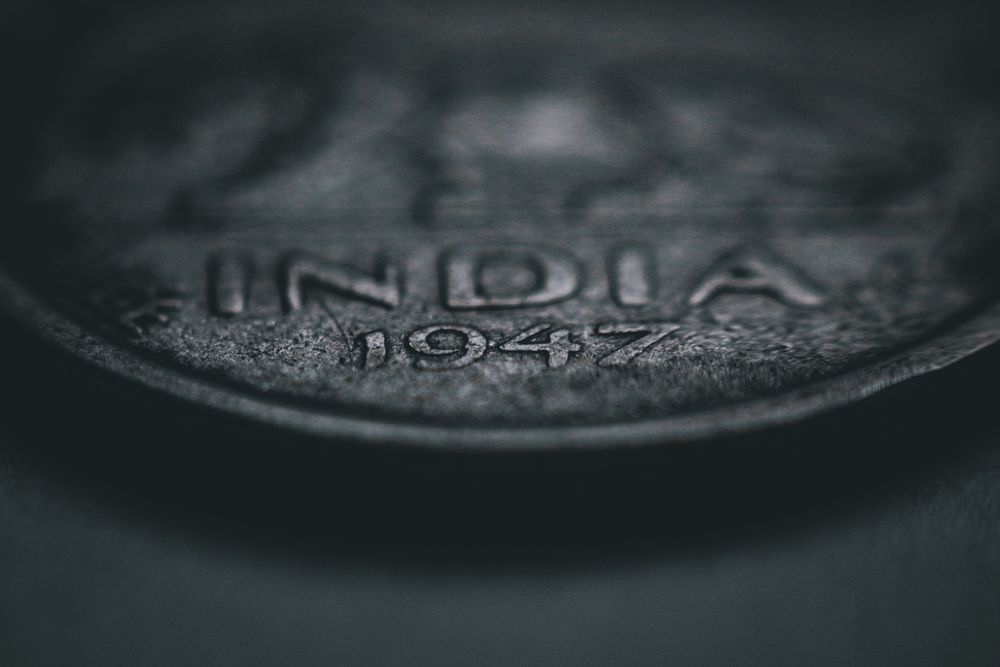
Silver behaves differently from bronze or iron underwater, and the chemistry explains how a recovered cob looks. A 1992 review in the Journal of the American Institute for Conservation by Michael McNeil and Brenda Little found that in shallow-sea and other chloride-rich burial, silver converts to cerargyrite, silver chloride (AgCl). That is the "horn silver" of old mining texts, named for its waxy, horn-like look. The black crust is usually something else, acanthite (Ag2S). Seawater carries too little reduced sulfur to blacken silver in bulk, so the authors point to sulfate-reducing bacteria in the sediment as the usual driver. They also note that the sulfide minerals argentite and jalpaite (Ag3CuS2) generally indicate the original silver contained significant copper, which is what you would expect of copper-alloyed colonial coinage.
The same chemistry shapes treatment. Ian Macleod and Neil North's 1979 paper in Studies in Conservation (vol. 24, no. 4, pp. 165–170) described reducing silver corrosion products back to metallic silver with alkaline dithionite, oxygen excluded, and reported that it worked on shipwreck silver. Electrolytic reduction is the other established method. Both are specialist laboratory work. Silver chloride also darkens on exposure to light, and conservators remove residual chloride because leftover salts can keep attacking the metal.
That is why we never recommend cleaning at home. Polish, dips and brushes strip the surface where mint marks and assayer initials live, and a cob that has lost them usually loses most of its collector value. In Broward the practical threats are salt air and humidity. Keep silver in dry, inert holders, away from rubber bands, wool and soft PVC flips, and bring it in exactly as found.
Paper money, security printing and melt value
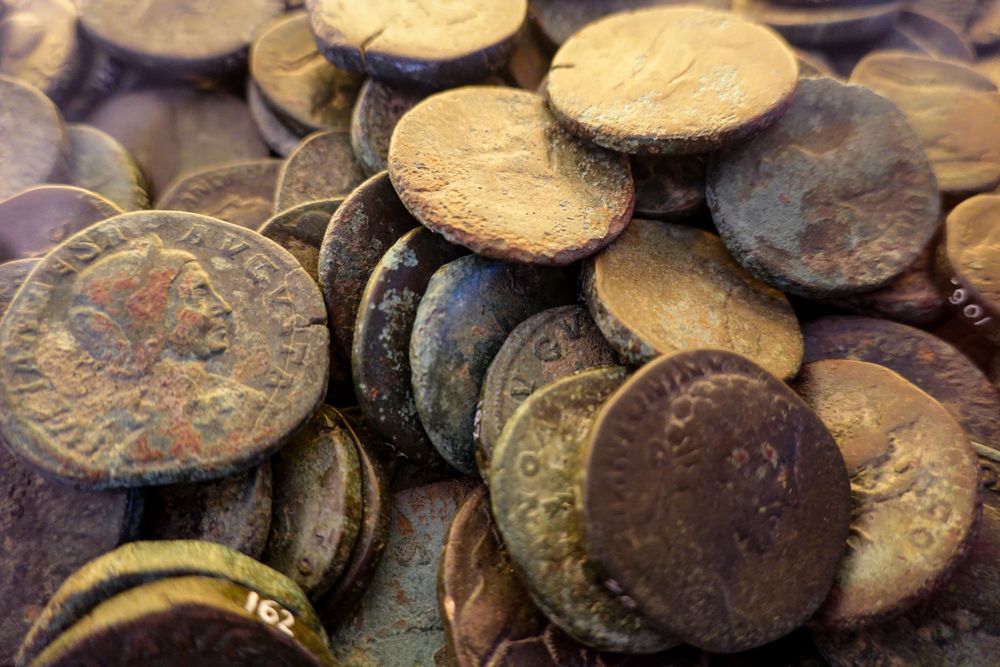
American paper money has a history that sets its price. Demand Notes arrived in 1861. Fractional notes under one dollar were issued from 1862 to 1876 because the public hoarded coins. In 1866 Congress banned portraits of living people on currency after the uproar over Spencer Clark's face on a five-cent note. The Bureau of Engraving and Printing became the sole maker of US currency in 1877. In 1929 notes shrank by about 30 percent and sheets went from eight notes to twelve, so "large-size" means pre-1929 and usually the older, more ornate, more collectible material.
- Silver certificates: the last $1 series is 1957, and redemption in silver ended June 24, 1968. Today they are worth face value plus a collector premium, not a silver price.
- Star notes: a star in place of the suffix letter marks a replacement for a defective sheet. Value follows the size of that print run.
- Error notes: we check that an error came from the press and is not post-printing damage or alteration.
Security design is why genuine notes are hard to fake. Intaglio printing presses ink from engraved plates at high pressure, leaving raised, tactile lines that offset and inkjet printing struggle to match. Microprinting and the security thread debuted on Series 1990 $100 notes, and the 1996–2000 redesign was the first major change in 67 years. German researchers built a banknote check called Sound-of-Intaglio that judges the engraved print structure with image processing; a 2013 SPIE paper (doi:10.1117/12.2001444) adapted it to mobile devices.
Melt versus numismatic: US dimes, quarters and half dollars dated 1964 and earlier are 90 percent silver, holding 0.0723, 0.1808 and 0.3617 troy ounces. Half dollars from 1965–1970 are 40 percent silver; later dimes and quarters have none. Melt value is ounces times the day's spot price, and it is the floor. Common dates sell near it, while scarce dates and strong condition sell above it. We quote both numbers.
Not sure if your piece fits? Text a photo to (561) 465-3536 — we will tell you honestly and for free, with no obligation to sell.
Questions
Selling coins & currency in Pompano Beach
I inherited a jar of old coins in Pompano Beach. How can I tell if any are silver?
Check the dates first. Dimes, quarters and half dollars dated 1964 or earlier are 90 percent silver, and Kennedy halves from 1965–1970 are 40 percent. Silver coins show a solid silver-colored edge, while modern clad coins show a copper stripe. Do not clean anything. Bring the jar in and we will quote melt value and collector value separately.
Do you evaluate shipwreck coins from the Treasure Coast or the Keys?
Yes. The 1715 fleet's debris field is about 100 miles north of Pompano Beach, and the 1733 wrecks are off Islamorada. We look at the mark logic, the crust and above all the paperwork. A salvor's certificate or dated receipt matters more than a good story, so bring any documents with the coin.
Should I clean the crust off a sea-salvaged coin before I bring it in?
No. The crust is corrosion built from silver chloride and sulfide, and the coin's mint mark and assayer initial may sit right beneath it. Home cleaning can erase them and cut the value sharply. Conservators use controlled chemical or electrolytic reduction in a lab. Bring the coin as found and we will explain your options.
Are my grandfather's silver certificates worth their weight in silver?
No. Redemption in silver ended on June 24, 1968, so a 1957 $1 silver certificate is worth face value plus whatever collectors pay for its condition. Star notes, large-size notes issued before 1929, and genuine press errors can bring more. Bring the whole folder and we will sort the ordinary notes from the scarce ones.
How should I store coins and paper money in South Florida humidity?
Keep them in air-conditioned living space, not a garage or attic. Use dry, inert holders and keep rubber bands, wool and soft PVC flips away from silver. Store notes flat, out of direct light, with a desiccant packet nearby. Salt air and moisture speed tarnish on coins and cause foxing and mold on paper.